

Nanotechnology: The Tiny Science Shaping a Giant Future
September 3, 2025 | by priyanka Rathod
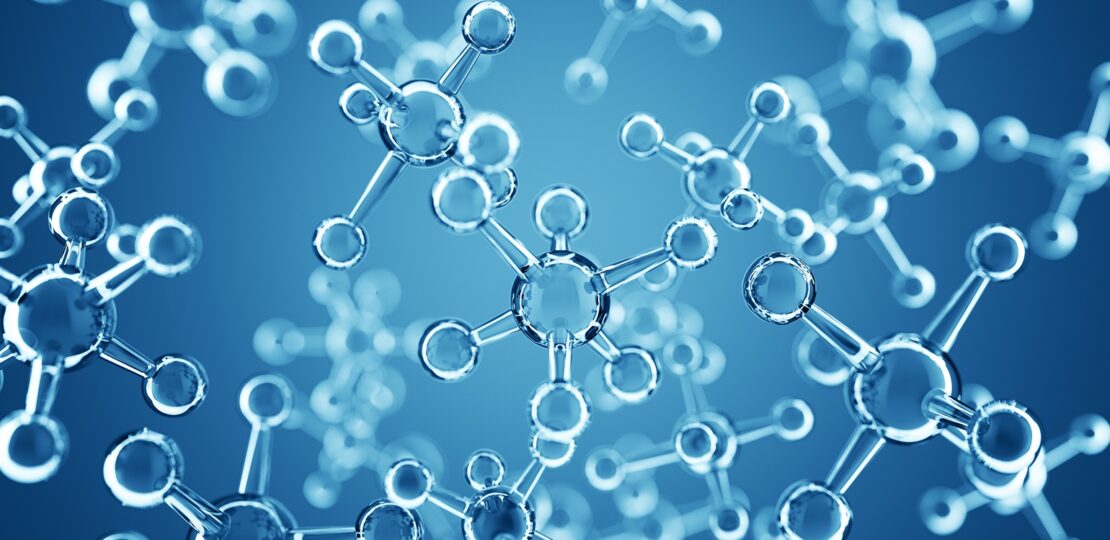
I still remember the very first time I heard the word nanotechnology during my primary school days. It felt like a fascinating mystery—an advanced science that could create nano-products, making life not only easier but also more efficient and productive. That thought left me wondering: What will the world look like when nanotechnology reaches its peak? The imagination was both amazing and surprising.
Though nanotechnology is still evolving, it has already made its mark in several fields. Two of the most promising sectors that are reaping its benefits are agriculture and healthcare.
Nanotechnology in Agriculture: Cultivating Smart Growth
Traditional farming often relies heavily on chemical fertilizers and pesticides. While effective, they are also harmful to crops, soil health, and biodiversity. This is where nanotechnology steps in as a game-changer.
- Nano-fertilizers such as Nano Di-Ammonium Phosphate (Nano DAP) have shown remarkable potential. Studies suggest that nano-fertilizers can achieve up to 90–100% nutrient utilization efficiency, thereby enhancing crop yields and reducing the need for bulk chemical usage.
- Nano-pesticides, like nano-silver formulations, deliver active ingredients directly to pests in a targeted and controlled manner, minimizing damage to beneficial organisms and preserving biodiversity.
- Nano-biosensors empower farmers with real-time data on soil health, moisture levels, and crop conditions—helping them make precise decisions.
- Nanomaterials for soil improvement such as nano-magnets and silica nanoparticles act as shields for plants, protecting them from excess heat, UV radiation, and environmental stressors.
India has already taken strong initiatives in this direction, such as:
- National Agriculture Innovation Project promoting agri-tech innovation.
- IFFCO’s Nano-Fertilizer Plant in Phulpur, Prayagraj, a pioneering step toward sustainable agriculture.
“The future of farming lies not in more chemicals, but in smarter science.”
Of course, every technology comes with its challenges. Nanotechnology in agriculture must be carefully regulated, as nanophytotoxicity (toxic effects of nanoparticles on plants) can impact plant growth and development. Hence, risk assessment and a robust regulatory framework are essential.
Nanotechnology in Healthcare: A Boon for Humanity
If agriculture is about food security, healthcare is about saving lives—and nanotechnology has emerged as a boon in this sector.
- Gold nanoparticles are being used for the detection of specific nucleic acid sequences, aiding in the diagnosis and potential treatment of cancer and other genetic diseases.
- Recent studies show that hybrid nanoparticles made of gold and copper sulphide have the potential to treat certain types of cancer more effectively.
- Nano drug delivery systems can carry both hydrophobic and hydrophilic drugs, protecting them from degradation and ensuring they reach the target cells directly. This increases treatment efficiency while reducing side effects.
“In the tiniest particles lies the biggest hope for humankind.”
Beyond Food and Health: Wider Applications of Nanotechnology
Nanotechnology is not limited to farms and hospitals. It has a pivotal role in:
- Defence – advanced nano-materials for lightweight armor, sensors, and stealth applications.
- Environmental Protection – nanoparticles for water purification, pollutant removal, and monitoring ecological health.
The Balanced Approach: Innovation with Responsibility
Like every powerful tool, nanotechnology too carries risks if misused. While it can revolutionize industries, we must ensure it is applied efficiently, sustainably, and ethically.
“Technology is a double-edged sword; its value depends on how wisely we choose to wield it.”
The coming years are set to witness nanotechnology transforming every sector of life—from the food we eat, the medicines we take, to the environment we live in. This tiny science holds the promise of making our lives not just easier, but also more productive and sustainable.
Personally, I remain excited and curious to see how this fascinating field evolves, and how it will continue to redefine the future.
✨ Conclusion: Nanotechnology may be small in size, but its impact on the world is going to be enormous. The future is indeed nano-sized, yet infinitely powerful.
RELATED POSTS
View all


Digital Childhood: How Mobile Phones and Social Media Are Rewiring Young Minds
May 15, 2025 | by priyanka Rathod

Why Are Girls Raised to Be Beautiful, While Boys Are Raised to Be Successful?
August 25, 2025 | by priyanka Rathod

When Does a Revolution Begin? The Voice of the Middle Class
August 25, 2025 | by priyanka Rathod